
Delivering consumer innovation through science & technology
Solving complex R&D challenges to deliver market impact
R&D leaders operate in increasingly complex environments. Consumer behaviours are shifting rapidly, regulation is tightening, and challenger brands are redefining what successful innovation looks like. Technical decisions now carry greater commercial, regulatory and reputational risk than ever before.
For R&D teams, this creates acute pressure to sustain differentiation beyond launch, move faster without increasing risk, translate science into measurable value, and progress with credibility in areas where evidence, claims and reputation are under scrutiny. The challenge is not simply innovation but making the right technical decisions at the right time.
Sagentia Innovation specialise in:
Next-generation consumer technologies
Backing the right technologies at the right time
Next‑generation consumer technologies demand a fast pace of innovation and clear differentiation – often before user behaviours, cost structures and real-world performance are fully understood. Novelty may attract attention, but lasting success depends on how effectively it translates into reliable performance, intuitive experiences and scalable manufacturing. R&D teams face difficult decisions about which technologies are truly ready to back, and where adoption risk, complexity or cost ultimately may outweigh potential benefits to consumers.
How we help:
Sagentia Innovation works with R&D and innovation leaders of global brands to bring early clarity, confidence and pace to these decisions. By combining strategic insight and deep scientific expertise with hands‑on product development, we help focus investment where technology delivers genuine advantage and transforms promising ideas into practical, scalable solutions that create meaningful consumer value and strengthen long‑term commercial advantage.
Example project outcomes:
- Confident R&D strategy and better investment decisions through technology assessment and value proposition development
- Enhanced product performance through multidisciplinary systems engineering
- Accelerated product development through deep scientific expertise and predictive modelling
- Greater brand differentiation and pull through innovative functionality and meaningful consumer experience

Advanced chemistry solutions
From advanced chemistry to products that perform
Advanced chemistry can unlock significant opportunity, but the path from lab to market is rarely straightforward. R&D teams are often under pressure to move quickly while working with complex formulations, unfamiliar materials or emerging science that can behave very differently at scale. The challenge is not demonstrating what is possible in the lab, but delivering chemistry that performs reliably, is efficient to manufacture, supports sustainability goals, and meets user, regulatory and commercial requirements.
How we help
Sagentia Innovation provides a catalyst for progress, working hands‑on with R&D and innovation teams to accelerate critical chemistry decisions. Combining advisory judgement with deep development expertise, we focus effort where chemistry can genuinely deliver advantage – then prove it through formulation development, testing and scale‑up. The result is robust performance, confident compliance and more sustainable, efficient products designed to succeed beyond the laboratory.
Example project outcomes:
- Earlier innovation decisions through technology landscaping and identifying novel chemistry opportunities
- Safer, cleaner and compliant products through developing advanced chemistry formulations
- Improved taste, texture, stability, and mouthfeel while reducing sugar, fat or artificial ingredients through ingredient and formulation optimisation
- Reduced development risk through lab-based experimentation and formulation concept validation

Health & nutrition
When evidence, credibility and pace all matter
Health and nutrition innovation operates under increasing scrutiny, even as consumer expectations, regulatory requirements and challenger brands accelerate change. R&D teams must work with complex and evolving science while ensuring consumer health claims, safety and efficacy stand up to challenge. The central tension is moving quickly enough to remain relevant, without compromising trust, credibility or compliance.
How we help
Sagentia Innovation partners with R&D and innovation leaders to bring early clarity and sustained confidence to this process. By combining advisory insight with hands‑on product development, we help shape robust evidence strategies, translate science into healthy products people can use, and innovation that can be progressed at pace with credibility intact – from development through to launch.
Example project outcomes:
- Improved nutritional outcomes through product reformulation without compromising on consumer enjoyment or manufacturing feasibility
- Stronger, differentiated claims on healthy ageing, vitality and metabolic wellbeing through ingredient and technology road mapping focussed on consumer resonance and robust scientific evidence
- Greater market success through translating advances in nutrition science into trusted and compelling consumer propositions they are willing to pay for
- Creating next-generation health and wellbeing products through advanced biomanufacturing methods

Resilient supply chains
When supply risk threatens innovation momentum
Consumer innovation increasingly depends on supply chains under strain that are shaped by material availability, geopolitics, sustainability expectations and cost volatility. R&D teams are expected to innovate at pace while relying on fragile inputs, limited alternatives or unproven suppliers. When supply considerations are addressed late, or in isolation – rather than being designed into product architecture and specification – they can quietly undermine viability, scalability and time to market.
How we help
Sagentia Innovation helps R&D and innovation leaders factor supply‑chain realities into early design development and manufacturing decisions. By combining strategic insight with hands‑on development, we surface trade‑offs sooner, explore credible alternatives and test assumptions through predictive modelling, prototyping and build. The result is reduced exposure, protected timelines and innovation that is ready to launch and scale with confidence.
Example project outcomes:
- Reduce NPD risk and cost, maximise shelf-life and enable rapid scale-up through mapping and predictive modelling of manufacturing process and user interaction
- Improve supply-chain resilience through foresight analysis and scenario planning of materials and ingredients
- Optimise manufacturing performance and throughput by re-inventing manufacturing processes
- Build supply chain security through developing a material and ingredient substitution strategy without compromising product safety or quality

Sustainability & packaging
Balancing sustainability goals with real world constraints
Sustainability increasingly informs decisions across the product lifecycle – coexisting with enduring requirements for performance, cost and supply resilience. For consumer companies, the challenge is delivering sustainability without undermining growth: maintaining performance and cost discipline, securing ethical and resilient supply, and earning consumer acceptance as regulatory and commercial expectations evolve. Move too slowly and momentum fades; move too fast, and solutions may fail to scale, or circularity models may break down.
How we help
Sagentia Innovation works with R&D and sustainability leaders to address these trade‑offs early across products, packaging and supply chains. Combining advisory insight with hands‑on development, we help teams assess sustainability alongside performance and practicality, evaluate circularity an ecosystem readiness, and build sourcing, manufacturing and logistics into design decisions. The result is products and packaging that offer improved environmental footprints, perform reliably in the real world, and support sustainable growth at scale.
Example project outcomes:
- Leverage sustainability opportunities and mitigate risk through sustainability foresight and scenario analysis
- Improved circularity through packaging innovation that balances recyclability, function, consumer appeal and cost
- Sustainable product formulations aligned with both consumer needs and evolving regulations
- Stronger resilience through commercially viable and sustainable raw material strategies

Sectors Sagentia Innovation support R&D across:

Food and beverage
Food and beverage companies are facing increasing pressure to innovate in a landscape defined by rising costs, shifting consumer expectations, and tighter sustainability and regulatory demands. R&D teams must now deliver products that are healthier, more sustainable, and more affordable without compromising on taste or speed to market. As a result, innovation is focused on reformulation for enhanced nutrition and sustainable ingredients, high performing packaging, and making supply chains more resilient. Digital tools can accelerate development, however success depends on the ability demonstrate tangible value to the business while balancing these competing demands, turning complex challenges into scalable, commercially viable solutions that consumers adopt.

Consumer health
Consumer health companies are identifying opportunities to respond to more informed and proactive consumers, stricter regulatory scrutiny, and rapid advances in science and technology. R&D is increasingly focused on delivering clinically backed, differentiated products that address areas such as immunity, gut health, mental wellbeing, and metabolic health, while ensuring simplicity, trust, and accessibility. At the same time, companies must accelerate innovation cycles and integrate digital capabilities, from diagnostics to connected devices. Success depends on combining scientific credibility with consumer relevance, creating solutions that are both effective and commercially scalable in a highly competitive and fast-evolving market.

Petcare
Petcare companies are experiencing evolving expectations from more health-conscious and emotionally invested pet owners, alongside rising costs and fierce competition from challenger brands. R&D is focused on developing nutritionally advanced, functionally targeted products that are accepted by pets and aid supporting their health, longevity, and clinical conditions, while maintaining palatability and affordability. At the same time, innovation is expanding into areas such as personalised nutrition, diagnostics, and next-generation connected pet technologies. Success depends on combining scientific rigour with consumer trust, delivering solutions that balance pet wellbeing, owner expectations, and commercial scalability in a rapidly growing and competitive market.

Personal care and beauty
The beauty and personal care industry is evolving from products to intelligent, connected experiences. AI, sensors, smart mirrors, and at-home professional-grade devices are enabling highly personalised routines tailored to an individual’s skin, lifestyle, and environment. Over the next decade, beauty will increasingly converge with wellness, digital health, and neuroscience, while advanced materials and delivery systems improve efficacy and targeted performance. Success will depend on brands gaining competitive advantage through the rapid identification, evaluation, and incorporation of novel active ingredients, combined with evidence-backed, high-performance formulations. At the same time, companies must navigate data privacy, regulatory complexity, and rising expectations for sustainability, transparency, ethical sourcing, and circular packaging.

Home and household
Household products and appliances companies are striving to deliver high-performing, energy-efficient solutions that demonstrate superior functionalities addressing consumer needs, meet growing sustainability expectations while remaining affordable and delight to use. R&D is focused on improving product efficacy, reducing environmental impact through material and energy innovation, and integrating smart and connected technologies that enhance convenience and user experience. At the same time, companies must respond to evolving consumer standards around functionality, safety, durability, and design. Success depends on balancing performance, sustainability, and cost, while accelerating innovation to stay competitive in a market where efficacy and user experience are increasingly intertwined.
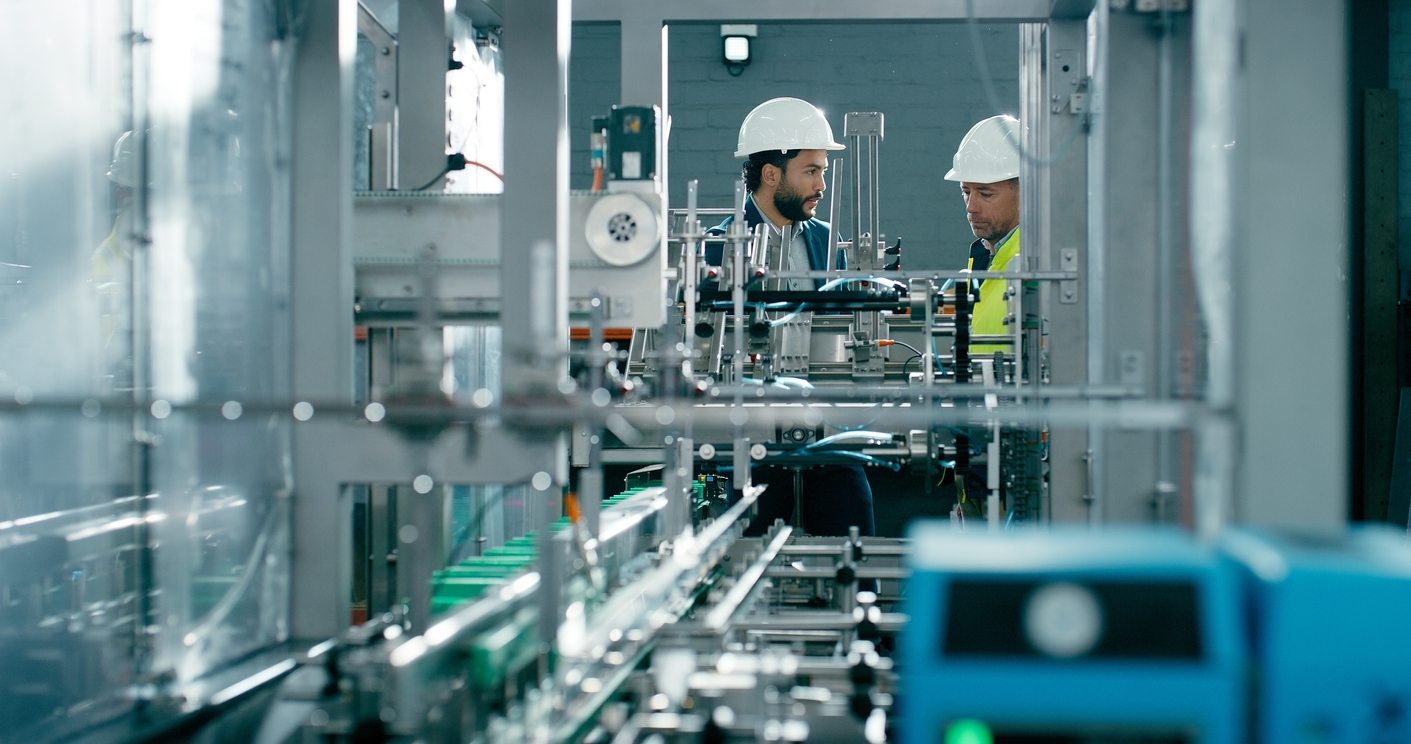
Industrial
Sagentia Innovation also supports clients across a broad range of industrial sectors where complex engineering, scientific expertise and technology innovation are critical to success. Our work spans water, helping utilities and technology providers improve efficiency, resilience and regulatory compliance; energy, supporting both traditional and low-carbon energy systems through performance enhancement, digitalisation and the energy transition; speciality chemicals, enabling safer, more sustainable and efficient production, formulation and process technologies; and thermal management and chip cooling, developing next-generation cooling solutions for high-performance computing, AI infrastructure and data centres. Across these markets, we help organisations turn innovation into measurable business impact through strategic technology planning, performance optimisation, applied intelligence and rigorous systems assurance.
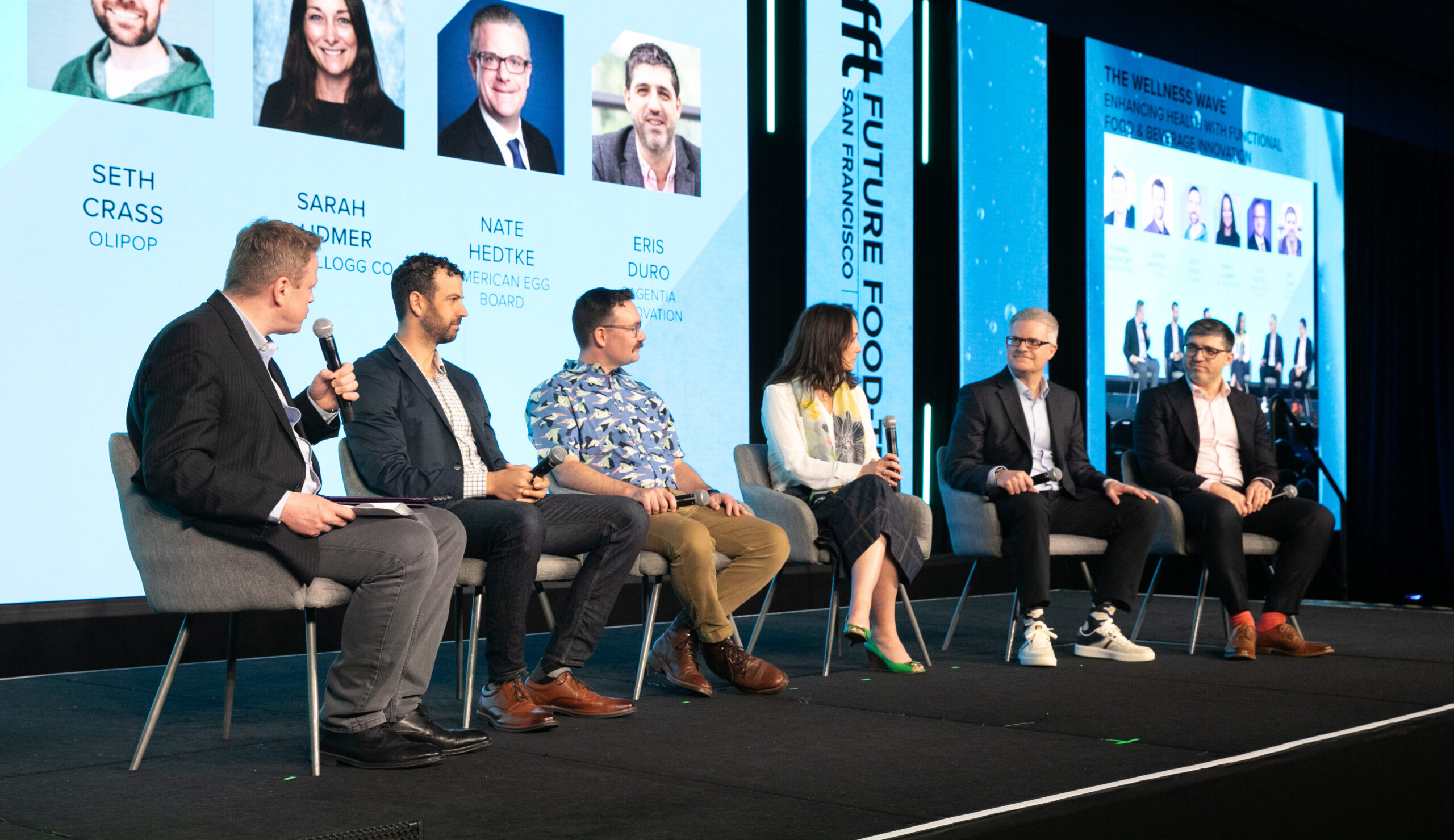
Sagentia Innovation expert insights:








Frequently Asked Questions in consumer innovation:
What are the biggest challenges facing R&D leaders today?
R&D leaders face growing pressure to accelerate innovation while managing increasing complexity. Challenges include changing consumer expectations, evolving regulations, sustainability demands, supply chain disruption, and the need to demonstrate commercial return on innovation investment. Successful organisations balance scientific excellence with speed, scalability and business impact.
How can R&D teams reduce innovation risk?
Innovation risk can be reduced through early technology assessment, predictive modelling, rapid prototyping, scenario planning and evidence-based decision making. Assessing technical feasibility, commercial viability, manufacturing readiness and consumer acceptance early in development helps organisations focus investment on the opportunities most likely to succeed.
What is technology assessment and why is it important?
Technology assessment evaluates the maturity, feasibility and potential value of emerging technologies. It helps organisations identify which innovations are ready for implementation, where technical risks exist and which technologies are most likely to create sustainable competitive advantage.
How can consumer product companies accelerate product development?
Consumer product companies can accelerate development through digital simulation, predictive modelling, rapid experimentation and multidisciplinary product design. These approaches reduce uncertainty, identify problems earlier and support faster, more informed decision making throughout the innovation process.
What are the key trends shaping consumer innovation?
Major trends include health and wellness, personalised products, AI-enabled consumer experiences, sustainable products and packaging, resilient supply chains, connected devices, advanced ingredients and next-generation materials. Organisations that identify and act on these trends early are better positioned to create differentiated products and services.
What are the challenges of sustainable product development?
Sustainable product development requires balancing environmental performance with cost, functionality, manufacturability and consumer acceptance. Organisations must also navigate evolving regulations, supply chain constraints and circular economy requirements.
What role does science and technology play in consumer innovation?
Science and technology enable organisations to create differentiated products, improve performance, validate claims, optimise manufacturing and develop new consumer experiences. When combined with user insight and commercial feasibility, scientific innovation can create lasting competitive advantage.
How can companies build more resilient supply chains?
Supply chain resilience can be strengthened through supplier diversification, material substitution strategies, foresight analysis, scenario planning and early consideration of supply risks during product development. Embedding resilience into design decisions helps reduce disruption and supports long-term growth.
Careers
Join our dynamic consultancy business to work in an exciting science and technology environment with leading global organisations.
Expert insights
Explore our case studies to find out about our exciting work across consumer and industrial and read our latest insights and white papers authored by our industry experts.
Contact us
Contact us today to discuss your R&D challenges and how our team of experts could support you.